How a Gin Bar Elevates the Classic Martini
@dominickzxsg948
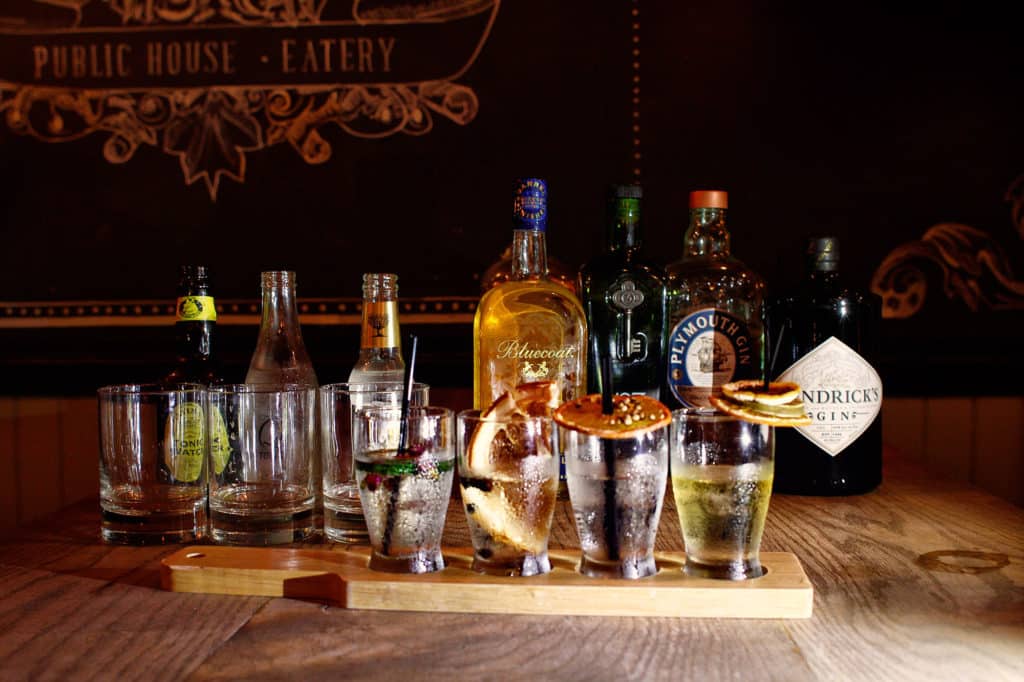

The martini has always invited strong opinions. Ask six bartenders for the right ratio of gin to vermouth and you will get seven answers, each delivered with absolute conviction. That is part of the drink’s charm. It looks severe, almost minimalist, yet tiny adjustments in spirit, vermouth, temperature, dilution, garnish, and glassware change it completely. A martini is not a generic cocktail. It is a framework for precision.
That is exactly why a dedicated Gin Bar has such an advantage with it.
A general cocktail program can certainly produce a good martini. Plenty do. But a bar built around gin starts from a different place. It treats the martini not as a standard order to be filled quickly, but as a house specialty with dozens of legitimate expressions. The difference is easy to taste. The gin is fresher and better chosen. The vermouth has not been forgotten at the back of a warm shelf. The bartender understands what the garnish actually does beyond looking attractive. Even the way the glass is stored becomes part of the result.
When people talk about a memorable martini, they often focus on ritual. The chilled stem, the polished metal shaker or mixing glass, the restrained pour. Ritual matters, but technique matters more. In a strong Gin Bar, the ritual is backed by decisions that have been tested night after night, bottle after bottle.
A martini is simple, which makes flaws obvious
Complicated cocktails can absorb small mistakes. A touch too much citrus, a syrup slightly off ratio, a hurried shake, these things can hide under fruit, sugar, spice, or bitters. A martini gives you no such cover. Spirit and fortified wine stand exposed. If the gin is harsh, you taste it. If the vermouth is stale, you taste that too. If the dilution is wrong, the drink falls apart in minutes.
That transparency is why the setting matters. In a strong Gin Bar, every component receives more attention because there are so few places for errors to hide.
A bartender once explained it to me in the least romantic terms possible. He said a martini is like white paint on a wall, every flaw shows. He was right. If you are using a gin with aggressive juniper and high proof, a whisper more dilution may bring it into line. If the vermouth has a brighter herbal edge, the garnish may need to shift from olive to lemon to keep the finish clean. These are not abstract details for bartending competitions. They are the difference between a martini that feels clipped and elegant, and one that tastes like a cold argument.
The gin selection changes everything
A proper Gin Bar does not stock gin as a box-checking exercise. It curates styles. That distinction matters because not all gin behaves the same way in a martini.
Classic London dry gin remains the benchmark for many drinkers because it brings definition. Juniper leads, citrus supports, coriander and root botanicals fill out the middle. In a dry martini, that architecture creates a drink with spine. But move into contemporary gins and the possibilities widen. Some push citrus oils forward. Some lean floral. Some emphasize savory herbs, pepper, sea botanicals, or tea notes. Each one changes not just flavor, but perceived texture.
A gin with strong citrus lift can make a martini feel brighter and more open, especially with a lemon twist. A softer, rounder gin may pair beautifully with a slightly wetter build, where vermouth contributes body instead of just a hint of perfume. A boldly resinous gin can stand up to brine or olive garnish without losing its identity.
This is where the expertise of a Gin Bar becomes visible. Good staff will not simply ask whether you want it dry or dirty. They will often ask what kind of martini mood you are in. Crisp and bracing. Savory and saline. Floral and aromatic. Classic and stern. That is the sort of question you ask only when your back bar gives you enough range to act on the answer.
I have seen guests surprised by how much this matters. Someone says they do not like martinis, then admits every one they have tried tasted hot, thin, or aggressively piney. Give that person a gentler gin with a fresh blanc vermouth variation or a restrained 50:50 build and suddenly the category opens up. A specialist bar can do that because it is not trapped in one house style.
Vermouth is where serious bars separate themselves
Gin gets the glamour, but vermouth often decides whether a martini feels complete. In weaker bars, vermouth is treated as an afterthought, measured mechanically and stored carelessly. In a serious Gin Bar, vermouth is handled with the same respect given to wine because that is effectively what it is, an aromatized, fortified wine that oxidizes and degrades.
Fresh vermouth changes the entire drink. The herbal top notes remain alive. The wine base still contributes shape and quiet fruit. Bitterness, if present, tastes intentional rather than tired. Once vermouth has sat too long at room temperature after opening, the martini turns flat and faintly muddy. Many guests cannot name the problem, but they sense it instantly.
The best bars keep open vermouth refrigerated and move through stock quickly. They may offer more than one dry vermouth, which is not indulgence for its own sake. One might be sharper and more mineral. Another might lean toward chamomile, alpine herbs, or citrus peel. Put each beside the same gin and the outcome shifts.
This is especially important because “dry” is not a fixed idea. Some guests want the old-school whisper of vermouth, almost a rinse. Others want enough to create harmony and lower the alcohol edge. Neither camp is wrong. What matters is that the bar can execute both with intent, not habit.
Temperature and dilution are not minor technicalities
Martinis live and die by temperature. A cold martini tastes integrated. A merely cool martini can taste alcoholic, disjointed, and clumsy. This sounds obvious, yet many bars still miss it, usually because of speed, poor refrigeration, or indifference.
A dedicated Gin Bar usually solves this in quiet ways the guest may never notice. Freezer-cold gin. Deeply chilled glassware. Large, solid ice that dilutes predictably. Bartenders who know whether a particular gin benefits from a longer stir to soften its edges or a shorter one to preserve tension.
The common debate over shaking versus stirring often turns theatrical, but the practical issue is texture. Stirring preserves clarity and usually creates a silkier structure. Shaking chills more rapidly and adds aeration, which some drinkers enjoy, especially in a very cold, assertive martini. A strong Gin Bar will know when either approach suits the order rather than treating one method as dogma.
I remember watching a bartender remake a martini without being asked because the first glass sat at the pass for two minutes while a large party settled a bill. Most places would have served it. He tossed it, stirred another, and sent that instead. That kind of discipline seems expensive in the moment. It is actually the foundation of trust.
Garnish is not decoration, it is seasoning
The garnish in a martini does real work. A lemon twist expresses oils across the surface, lifting aroma before the first sip. An olive adds salinity and fat, changing both nose and palate. A cocktail onion takes the drink in a sharper, more savory direction entirely.
At an average bar, garnish options can feel generic, as though they exist only to satisfy the script of the order. In a serious Gin Bar, garnish is chosen with the same care as the spirit. That means better fruit, fresher peels, cleaner cuts, and olives that actually taste good on their own.
The practical choices often come down to a few variables:
- A lemon twist suits bright, juniper-forward, citrus-led martinis where fragrance is part of the appeal.
- An olive works best when the gin can hold its structure against salinity and when the drinker wants a rounder, savory finish.
- A Gibson onion sharpens the profile and highlights botanical spice in some gins surprisingly well.
- An orange twist, used selectively, can flatter certain contemporary gins with floral or spice notes.
- No garnish at all can make sense if the guest wants the spirit and vermouth to stand entirely on their own.
The point is not variety for show. It is that garnish steers the drinking experience from the first aroma to the aftertaste. A specialist bar treats it as a final adjustment, not an accessory.
The dirty martini especially benefits from specialization
Few drinks expose the difference between thoughtful and sloppy bartending faster than a dirty martini. Add too much olive brine and the drink loses structure. Use poor brine and it tastes murky, salty, and one-dimensional. Pair the wrong gin with the wrong olive and the whole thing becomes a cold glass of vaguely savory alcohol.
A good Gin Bar approaches dirty martinis with restraint. The bar knows the salinity level of its brine. It knows which gins can tolerate a dirtier pour and which collapse under it. It may even differentiate between brines from different olives, because Castelvetrano and Manzanilla do not bring the same character.
This is where experience really shows. Many guests ask for extra dirty when what they actually want is olive presence, not seawater. A practiced bartender can guide that order with a simple question or a subtle adjustment. Sometimes the right move is to keep the brine moderate and use a better olive. Sometimes it is to increase vermouth slightly so the drink remains coherent. Those are judgment calls, and the best ones happen in bars that work with gin every day.
House martinis are often where a Gin Bar shows its identity
One of the pleasures of visiting a respected Gin Bar is seeing how it interprets the martini as a signature rather than a standard. Some bars build a house martini around a proprietary frozen glass service and a precise ratio. Others blend two gins to combine backbone and perfume. Some use a split vermouth base. Some finish with a measured drop of orange bitters or saline.
These adjustments sound tiny because they are tiny. That is why they matter.
A house martini worth ordering usually reflects a lot of trial and error. The team has likely tested different freezer temperatures, dilution targets, vermouth percentages, garnish styles, and service volumes. The goal is not novelty. The goal is balance that can be repeated on a busy Saturday night, not just in a quiet training session.
I have had excellent house martinis served in absurdly small glasses and mediocre ones poured in oversized stems that looked dramatic but warmed too quickly. That points to another advantage of specialization. A bar focused on gin tends to think through the whole arc of the drink, from first sip to last. Volume, glass shape, and serving temperature all influence whether the final sip is as satisfying as the first.
Staff knowledge changes the order before it reaches the glass
At a good Gin Bar, conversation at the bar top can be as important as the bottle selection. Not every guest arrives fluent in martini language, and even experienced drinkers do not always describe their preferences accurately. Someone may say “very dry” when they mean “very cold.” Another may ask for a strong martini when what they actually want is less vermouth, not higher proof. A bartender who understands the drink can translate.
That exchange tends to be shorter and sharper in places where the staff lives with gin all week. They have heard the common misfires. They know how to help without lecturing.
Often the most useful questions are practical rather than technical. Do you want it lean and crisp, or a little more aromatic? Olive or citrus? Bracing or softer? One martini or a long evening of martinis? That last question matters more than many guests realize. The ideal first martini at 6 p.m. Is not always the ideal third martini at 9 p.m. A smart bartender adjusts for pacing.
A strong Gin Bar also Gin Bar knows when not to interfere. Some guests have exact specifications and want them followed precisely. That is easy enough. Expertise is not just suggesting alternatives. It is recognizing when precision means honoring the classic version the guest already carries in their head.
Ice, glassware, and pace matter more than style points
There are details that drinkers often notice only when they are handled poorly. Ice is one. Small, wet, fractured ice tends to over-dilute and under-chill. Large, dense ice stirs more predictably and keeps the texture clean. Glassware is another. A martini glass or coupe should be cold enough to preserve the drink, but not so frosted or thick-rimmed that it becomes awkward to hold or sip from.
Then there is pace. A martini should arrive ready, not rushed. In a dedicated Gin Bar, bartenders usually understand that this drink does not benefit from flamboyance. It benefits from confidence and timing. The movement behind the bar tends to be economical. Measure, stir, taste if appropriate, strain, garnish, serve. No wasted flourish. No warm bottle sitting out while conversation drifts.
That restraint can be surprisingly luxurious. Guests often describe great martini service as calm. The drink appears effortless because the difficult decisions were made long before service began.
What to look for when ordering a martini at a Gin Bar
If you want to get the best version a bar can give you, a little observation helps. You do not need to quiz the bartender or perform expertise. Just watch how the bar handles the basics and order with enough detail to be useful.
A few signs usually tell the story:
- Open vermouth is refrigerated or clearly turned over frequently.
- The bartender asks at least one clarifying question if your order is broad.
- Glassware is properly chilled before service.
- Garnishes look fresh and deliberate, not tired or prepped hours ago.
- The bar can recommend a gin based on flavor, not just brand prestige.
Once you see those habits, ordering becomes easier. If you are unsure, say what you like in plain language. Crisp and citrusy. Savory but not too salty. Very cold, not too wet. A good Gin Bar can work from that. In fact, those descriptions are often more helpful than borrowed martini jargon.
Why the setting itself enhances the drink
Part of the martini’s enduring appeal is that it responds to atmosphere. It is a drink that seems to gather authority from the room around it. A dedicated Gin Bar understands this instinctively. Lighting, glassware, bottle display, pace of music, and the formality or ease of service all affect how the drink lands.
That might sound intangible, but it is not trivial. The martini is a cocktail people tend to remember as an occasion, not just as a flavor. A room designed around gin creates context. You notice the range of botanicals on the shelf. You hear the bartender discussing vermouth with another guest. You see someone across the bar served a Gibson with a tiny, immaculate onion. All of that builds confidence before your own glass even arrives.
Still, atmosphere only elevates the martini if the fundamentals are right. Beautiful rooms serve disappointing drinks all the time. The best Gin Bar combines sensory appeal with technical competence. It gives the martini a setting worthy of its reputation, then backs it up sip after sip.
The classic martini survives because it rewards care
There is a reason the martini never stays gone, no matter how trends swing toward tropical drinks, low-ABV serves, or elaborate tasting-menu cocktails. It offers something few drinks can. It turns precision into pleasure. It rewards exactness without becoming fussy. And when a bar is deeply invested in gin, that precision becomes easier to see and easier to taste.
A dedicated Gin Bar elevates the classic martini by doing dozens of small things well. It chooses gins for character, not just inventory breadth. It treats vermouth like a living ingredient. It understands dilution, temperature, and texture as central, not incidental. It uses garnish as seasoning. It trains staff to interpret preference accurately. It creates an environment where this deceptively simple drink gets the concentration it deserves.
The result is not merely a stronger version of the same order. It is a more complete one. The martini becomes sharper in definition, wider in possibility, and more personal in execution. That is the real advantage of drinking one at a serious Gin Bar. You are not just getting a cold glass of gin and vermouth. You are getting a drink made by people who understand how much can happen inside that glass, and how little margin for error it allows.
The Winslow
243 E 14th St
New York, NY 10003, United States
Phone: +1 212-777-7717
FAQ About Gin Bar
How to do a gin tasting?
Start with a small pour and gently smell the gin before taking a small sip. Notice its juniper, citrus, floral or spice notes, then compare how the flavor changes with a little water or tonic. At a gin bar, ask the bartender to explain the selection and botanical pairings.
How to make the best tasting gin and tonic?
Use chilled gin, fresh tonic and plenty of ice. A common starting ratio is one part gin to two parts tonic, adjusted to taste. Choose a garnish that complements the gin's botanicals and stir gently to preserve the bubbles.
What is the smoothest tasting gin?
There is no single smoothest gin for everyone. Perceived smoothness depends on the botanical recipe, alcohol strength, serving temperature and mixer. Describe whether you prefer citrus, floral, herbal or juniper-forward flavors so a bartender can suggest a suitable style.